


Cabo Verde é um destino de férias bem conhecido, sonhador e banhado pelo sol que atrai famílias e casais durante todo o ano, mas o próprio país tem uma história rica que moldou as ilhas encantadoras que conhecemos hoje.
Neste artigo, vamos abordar os 8 factos mais interessantes sobre Cabo Verde.
Os 8 factos mais importantes sobre Cabo Verde
1. Cabo Verde é um conjunto de ilhas
Sim, Cabo Verde é um conjunto de 10 ilhas e 5 ilhéus. Estas ilhas estão divididas em dois grupos principais. Um que tem o nome de "Barlavento" e o outro que tem o nome de "Sotavento".
O Barlavento, também conhecido como as ilhas de barlavento, é considerado o arquipélago mais setentrional e é constituído pelas seguintes ilhas
- Santo Antão
- São Vicente
- Santa Luzia
- São Nicolau
- Sal
- Boa Vista
O Sotavento, também conhecido como ilhas do sotavento, é considerado as ilhas do sul e é constituído pelas seguintes ilhas:
- maio
- Fogo
- Brava
- Santiago
2. Localização privilegiada para as tartarugas-de-cabeça-longa
Cabo Verde é também conhecido como o destino de eleição quando se trata de tartarugas cabeçudas.
Estas criaturas fantásticas escolhem Cabo Verde como um dos seus principais locais de nidificação, o que faz de Cabo Verde o terceiro maior local de nidificação do mundo!
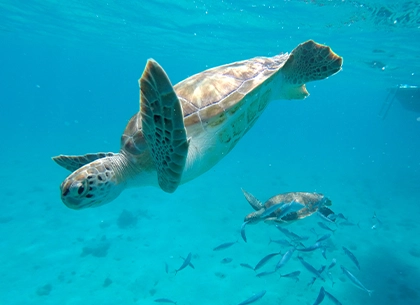
As viagens podem ser reservadas normalmente de julho a setembro, onde pode ver as tartarugas no seu habitat natural, pondo os seus preciosos ovos nas ilhas seguintes:
- Sal
- Boa Vista
- maio
3. Cabo Verde é o lar de muitos vulcões
Como algumas das ilhas de Cabo Verde podem ser consideradas "vulcânicas", não é surpreendente que Cabo Verde tenha uma coleção de vulcões.
Tanto assim é que a ilha do Fogo, situada no Sotavento, foi criada por uma erupção vulcânica há milhares de anos e, por isso, alberga o vulcão mais alto do país.
Com 2.829 metros de altura, o Pico do Fogo é a peça central da ilha do Fogo e muitos turistas vão à ilha para conquistar este marco ativo.
4. Cabo Verde tem a sua própria versão do "Mar Morto"
A ilha do Sal, onde se encontra a lagoa, era de facto famosa pelo seu extenso sal. A extração de sal era uma ocupação da ilha, e muitos países em todo o mundo utilizaram o sal diretamente de Cabo Verde.
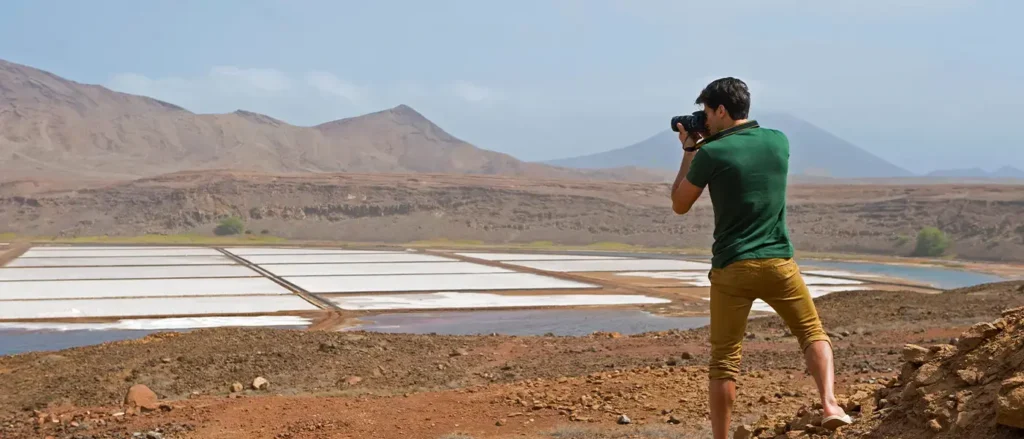
Desde o seu encerramento na década de 1990, a mina de sal de Pedra de Lume tem sido um destino turístico. Com vistas deslumbrantes sobre as montanhas circundantes e uma água tão espessa que se pode flutuar, compreende-se porque é que as pessoas se dirigem a este local privilegiado.
5. Cabo Verde é um local de reprodução de baleias jubarte
Cabo Verde não só tem tartarugas, como também baleias jubarte!
De fevereiro a maio, as baleias jubarte dirigem-se a Cabo Verde para a sua época anual de acasalamento.
A época alta é entre março e abril, por isso, se estiver interessado nisto, não se esqueça de reservar a sua viagem para a observação de baleias.
6. Cabo Verde tornou-se independente em 1975.
Cabo Verde tem uma história rica que remonta aos anos 1500, mas sabia que só se tornou independente em 1975?
O país foi inicialmente colonizado pelos portugueses, razão pela qual a língua portuguesa continua a ser a língua oficial em todo o país.
A independência de Cabo Verde foi celebrada com a criação da sua bandeira, cujas cores primárias representam a história das suas ilhas.
O azul representa o mar e o céu, o vermelho e o branco o caminho para a paz e as 10 estrelas representam cada uma das ilhas de Cabo Verde.
Ler mais sobre A Independência de Cabo Verde e a nossa grande história hoje.
7. Cabo Verde é um local de eleição para a prática de desportos náuticos
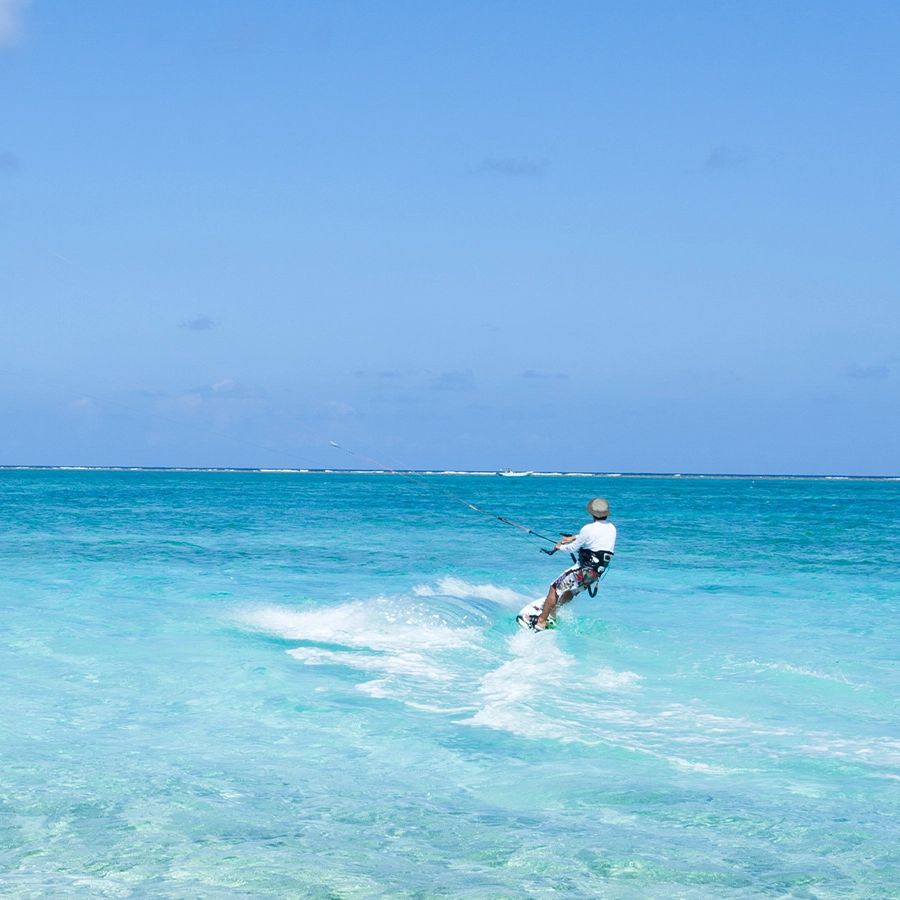
Ideal para a prática de kitesurf e windsurf, a combinação perfeita de ventos e ondas fez de Cabo Verde um destino de topo para os amantes dos desportos aquáticos.
Com a observação de baleias e tartarugas em redor das ilhas, o mergulho e a prática de snorkelling estão também no topo da lista de todos os que visitam o nosso belo país.
Os desportos aquáticos típicos, como o surf ou o paddleboarding, também estão disponíveis em todo o país.
Saiba mais sobre As grandes excursões de Cabo Verde hoje.
8. Nenhum povo antes de 1456
Tal como aquando da independência de Cabo Verde, o país também não tinha habitantes humanos antes de 1456.
Anteriormente uma parte da Guiné-Bissau, as únicas coisas que podiam ser encontradas nas ilhas antes de 1456 eram animais e plantas.
Com a colonização das ilhas por Portugal, em 1456, a população de Cabo Verde começou a aumentar com a criação de rotas comerciais.
A sua estadia em Cabo Verde com The Lagoon
Quer seja uma família à procura das suas próximas férias repletas de ação, ou um casal à procura de alargar os seus horizontes, Cabo Verde é o local ideal para si.
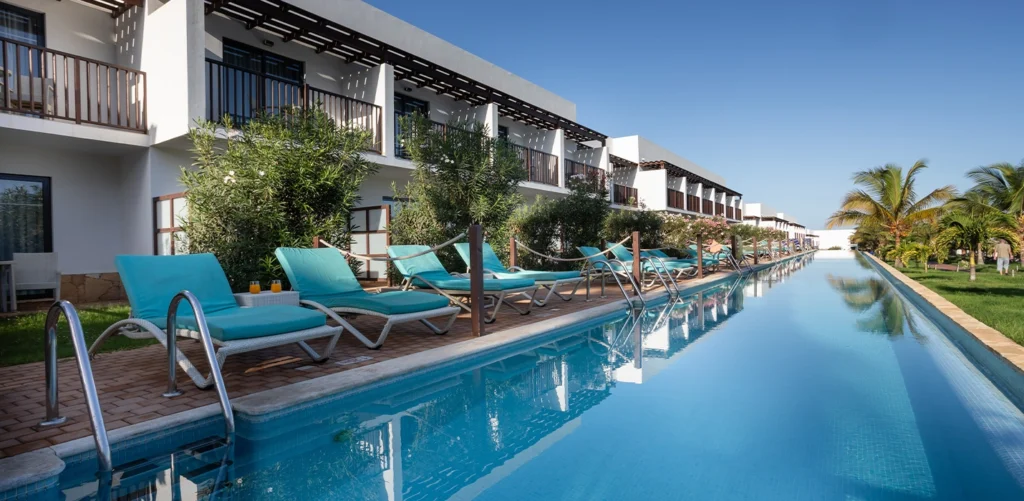
Porque não fazer do The Lagoon a sua base enquanto desfruta do que as ilhas têm para oferecer?
Consulte a nossa coleção de hotéis abaixo:
 PT
PT  EN
EN  IT
IT  FR
FR  ES
ES  NL
NL